How to List a Guitar for Sale
A straightforward checklist for clean photos, clear details, and a listing that builds trust fast.
Gather all relevant details
Start with the basics: brand, model, and year (if you can confirm it). Buyers want to know exactly what they’re looking at, and accurate details help you price correctly.
Serial numbers can confirm factory and year. Our decoder hub covers 20+ major brands.
Go to Serial Number DecodersPhotos Are Your Biggest Sales Tool
The most valuable thing you can do is take lots of clear, well-lit photos. Don’t just show the body — document the entire instrument and the details buyers ask about most.
- Full front and back of the body
- Neck front and back (with a clear shot down the fretboard)
- Headstock front and back
- Hardware close-ups (bridge, tuners, pickups, controls)
- Serial number and any labels
- Areas prone to damage (corners, headstock tips, binding)
- Case or gig bag inside/outside, plus any included accessories
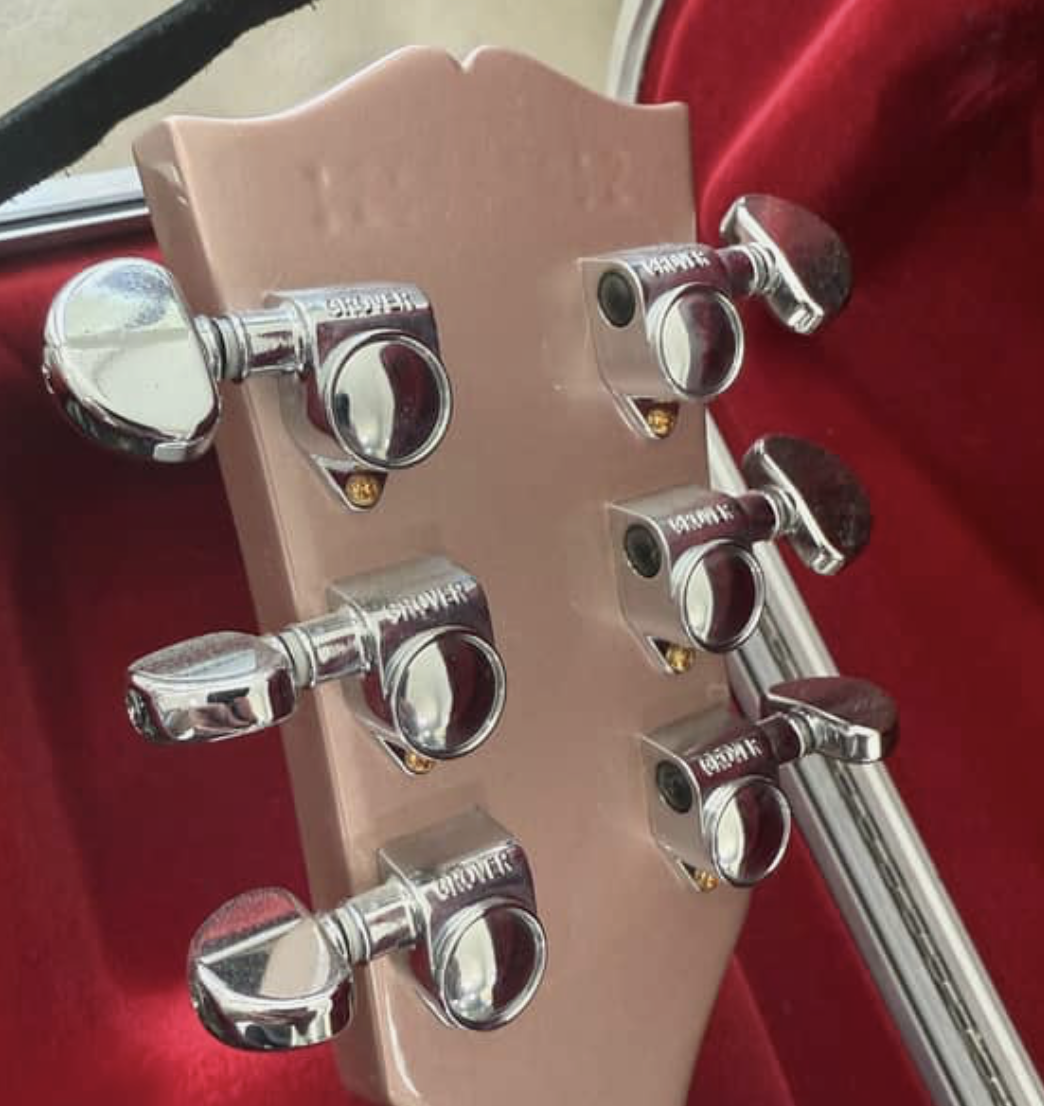
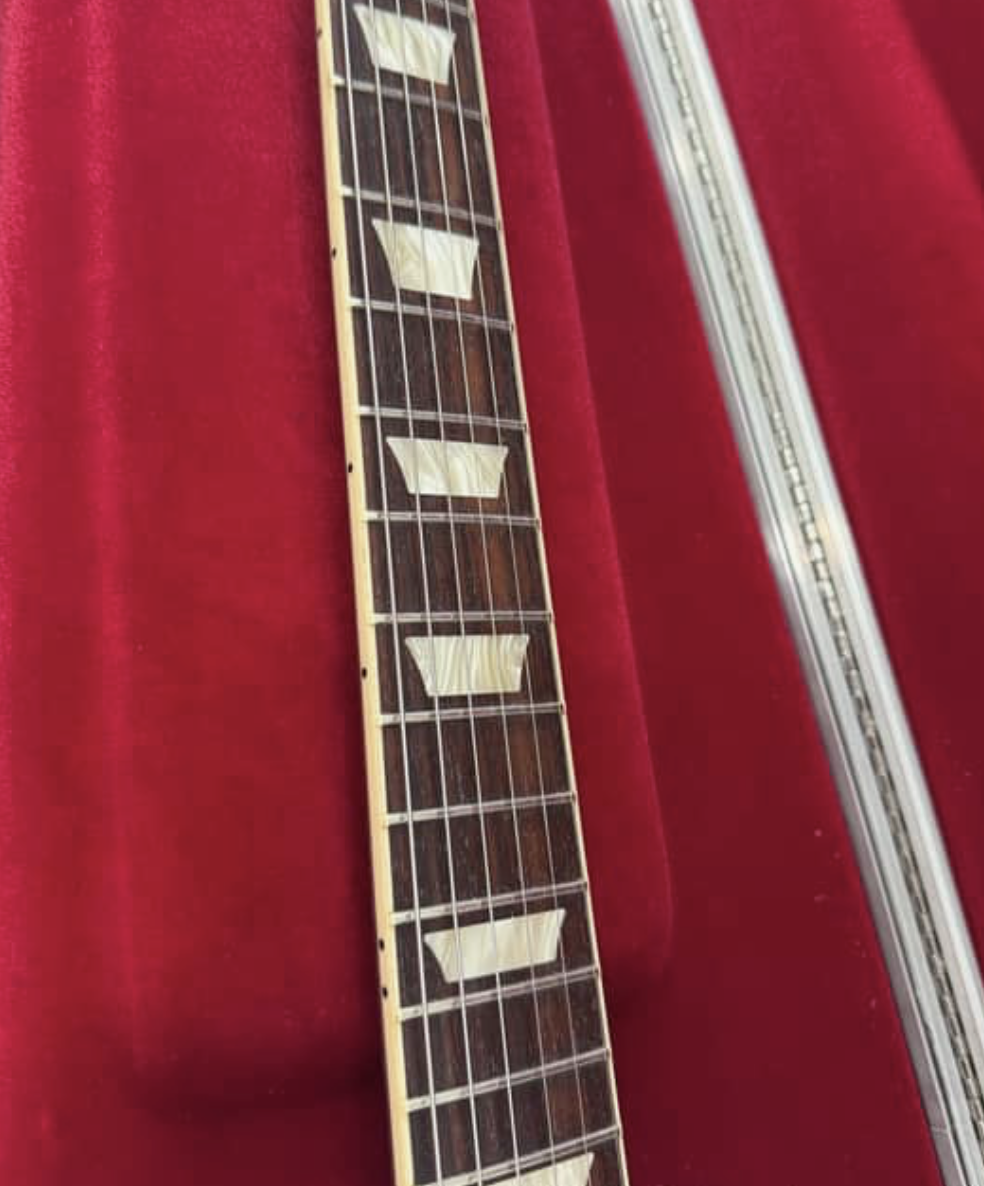
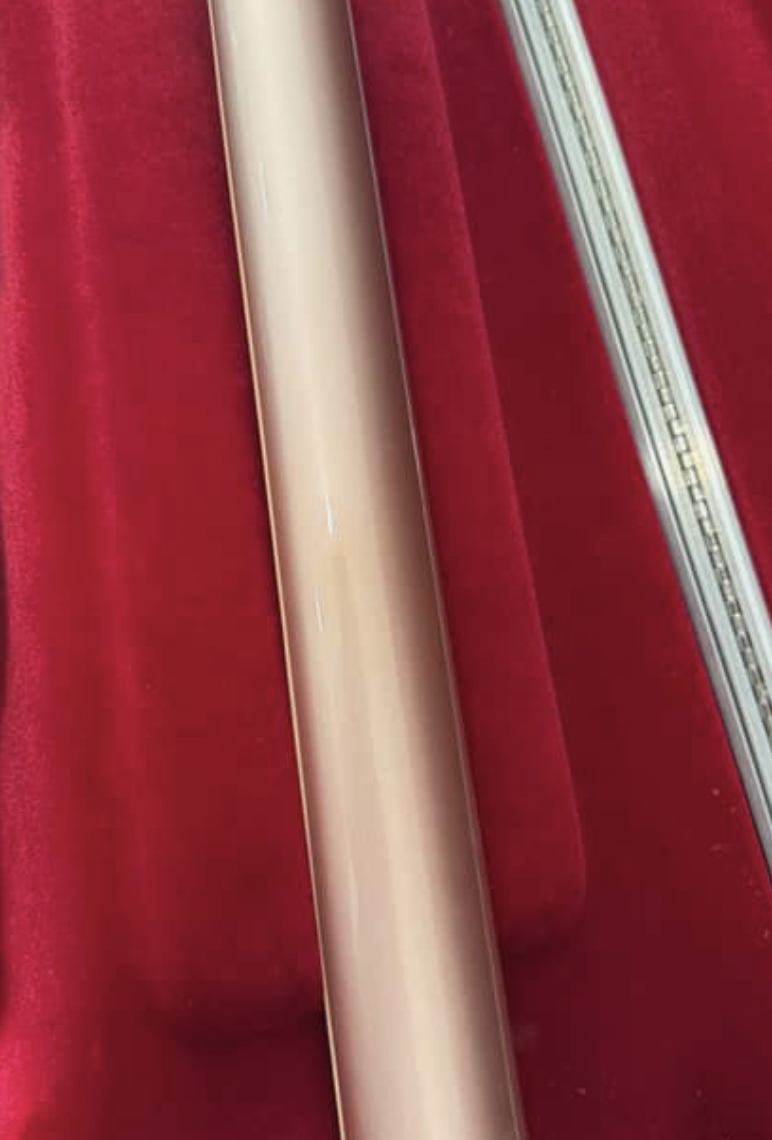
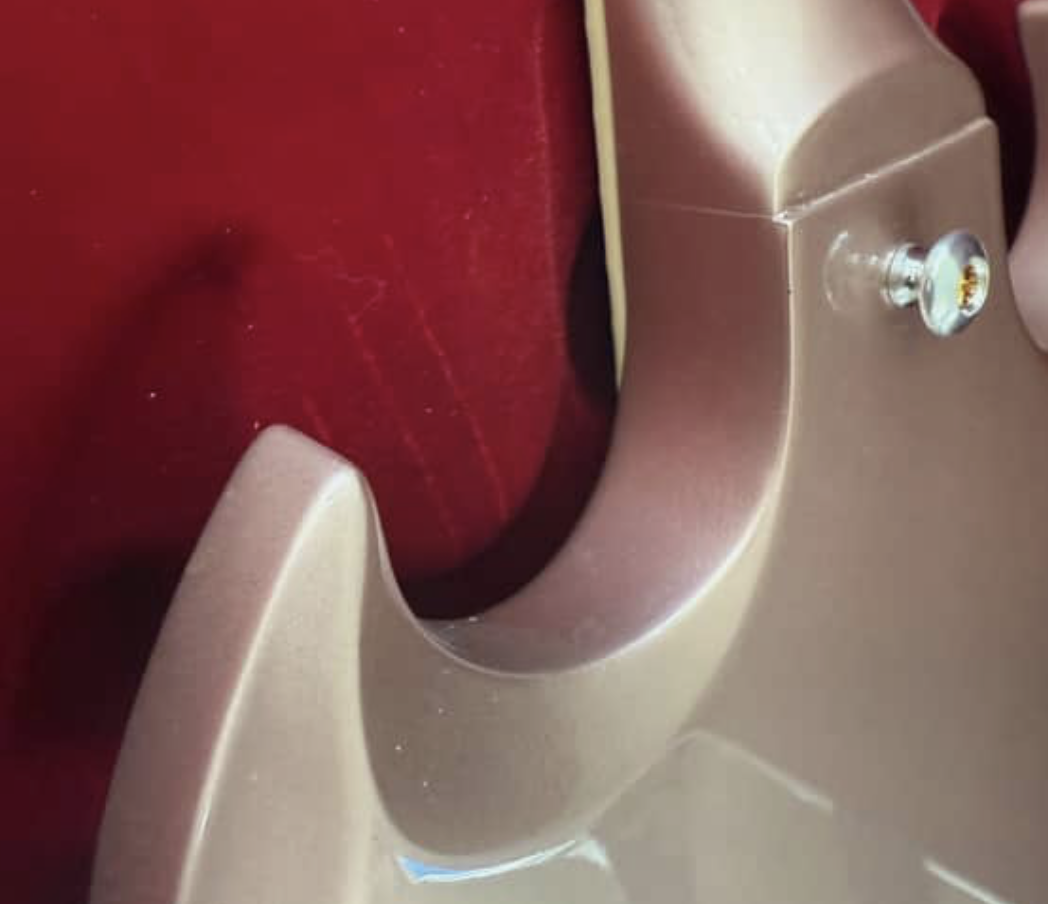
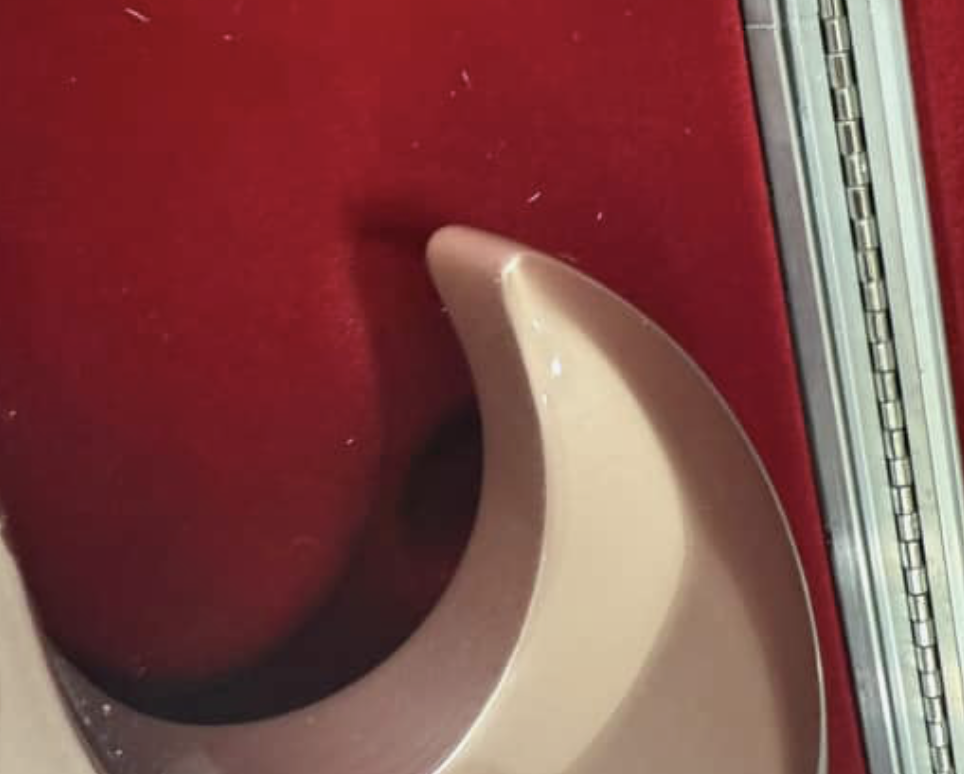
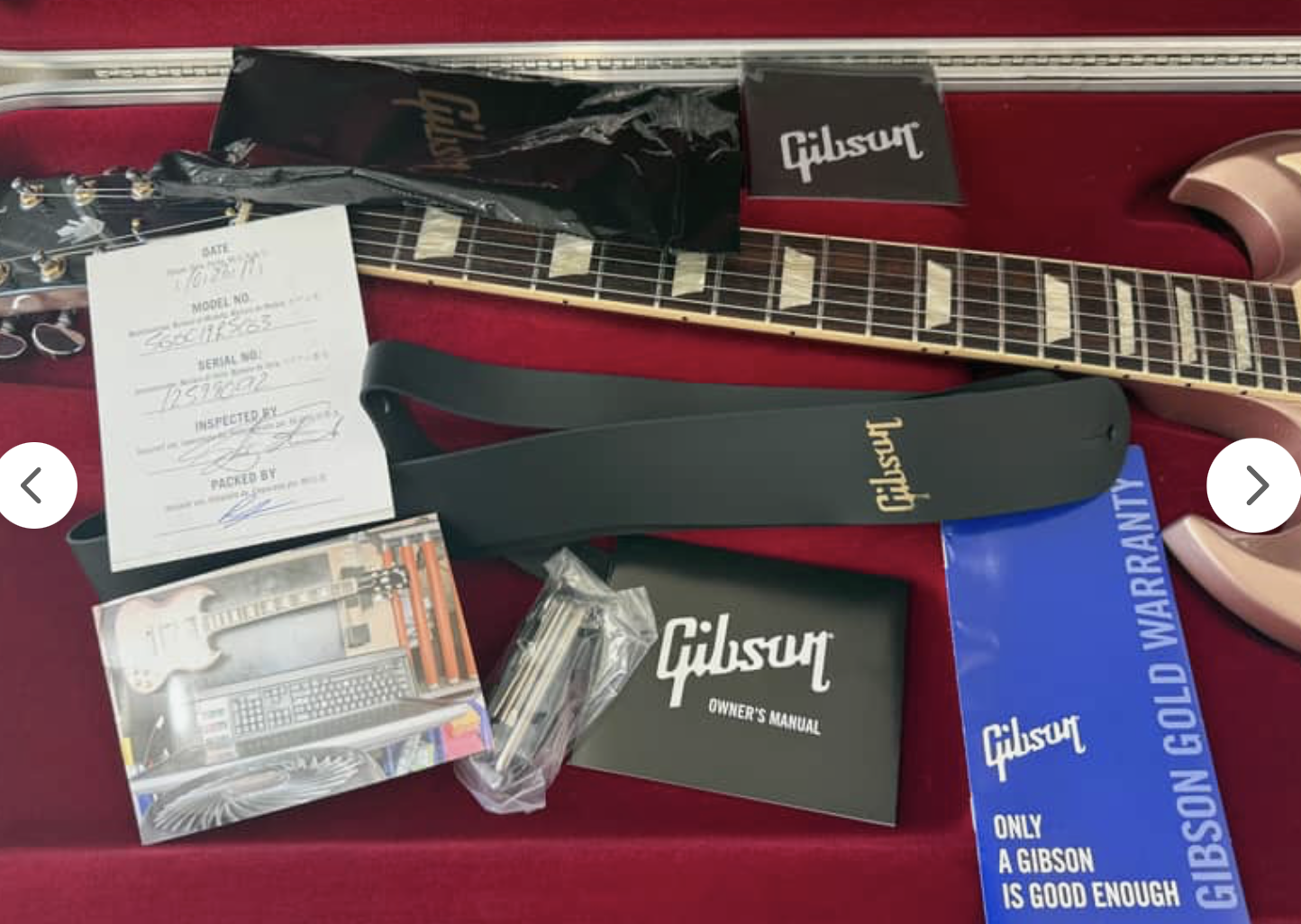
Photos are extremely important on marketplaces like Reverb.com. Buyers are essentially making a decision based on what they see in the images and what you describe, so clarity and detail matter.
If you’re unsure what a complete set looks like, aim for more angles than you think you need. Extra photos reduce buyer questions and speed up the sale.
Make Your Photos Look Professional (Without Fancy Gear)
Great photos don’t require a studio. Consistent lighting and a clean background do most of the work. Reverb.com listing guidelines emphasize that photos should be in-focus, well-lit, and show the full instrument from multiple angles. If you’re shooting indoors, use indirect daylight or multiple lamps to reduce harsh shadows. A neutral wall or sheet keeps attention on the guitar. A simple tripod helps avoid blur.
On platforms like Reverb.com, square-cropped photos work best and the first image becomes your primary thumbnail — make it the clearest, most complete shot of the guitar.
Add a Short Demo Video
Video builds trust quickly. A simple phone clip showing clean chords, pickup switching, and a few lead lines can eliminate buyer hesitation. Reverb.com listings even allow a YouTube link directly under the photo uploader.
Disclose Every Flaw Up Front
Transparency saves time. Mention all wear, cracks, repairs, or electronics issues. If a toggle switch is intermittent or a knob is missing, call it out and include a close-up photo. Buyers are much more comfortable when you describe issues openly — and it protects you from returns or disputes later.
If there’s a straightforward fix, note it. For example: “Toggle switch is flaky — likely needs a replacement switch.” This shows you understand the issue and helps the buyer budget for it.
Collector-Grade vs. Player-Grade Listings
Collector buyers typically expect near-mint condition and all-original parts. For those listings, be extra precise about originality and cosmetics.
Player-grade guitars can sell well if you emphasize playability: stable tuning, good action, and strong sound. You still need to disclose wear — just frame it honestly: “Shows play wear but sounds fantastic and has years of life left.”
What’s Included Matters
List everything that comes with the guitar: the case, gig bag, tremolo arm, COA, manuals, tools, or extra parts. If the case is original, say so. If it’s aftermarket, describe it clearly.
Test Everything Before You List
Plug the guitar in and test every pickup position, tone/volume control, switch, and jack. Here at Coal Creek Guitars, we once shipped a Stratocaster that unfortunately we had failed to test before shipping out. The buyer discovered a broken push/pull knob on arrival, and a simple pre-listing test would have saved time, money, and extra shipping.
Plan for Fixes if You’re Flipping
If you’re selling as-is, price accordingly. If you plan to fix things first, budget for the basics: strings, setup, a replacement switch, or upgraded tuners. Small repairs can unlock a higher price, but only if the margin still makes sense.
Be Ready to Make It Right
Even with perfect prep, problems happen. If a buyer finds something you missed, handle it professionally. In the Stratocaster example above, we offered a full refund or a partial refund to cover the repair. The buyer chose the partial refund and still left a 5-star review because we acted quickly and fairly.
Your Reputation Sells the Guitar
Clear communication, honest listings, and polite responses build your seller reputation. After a successful sale, ask for a review — many buyers won’t leave one unless prompted.
Wrap-Up
Great listings come down to clarity: accurate specs, thorough photos, honest condition notes, and fast communication. Do those well, and you’ll sell faster and with fewer headaches.